
Why Don't Dermatologists Recommend Tallow?
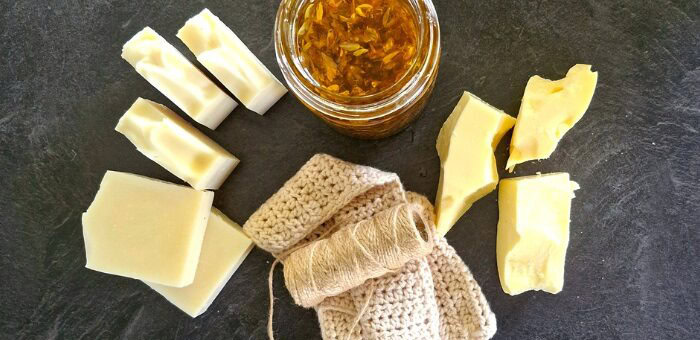
Tallow’s moisturising properties are well known to anyone who’s actually used it, yet it stays largely absent from dermatologists recommendations. Dermatologists caution mostly comes down to a lack of tallow-specific regulation and standardised testing, rather than any real evidence it doesn’t work. Skincare guidance tends to build around ingredients with decades of controlled studies behind them — retinoids, hyaluronic acid, ceramides — and tallow simply hasn’t been through that same process, largely because it’s never been a pharmaceutical or cosmetic-industry priority ingredient. As RNZ reported one New Zealand dermatologist put it plainly, tallow “no doubt” has moisturising properties, but the concern sits with formulation and sourcing — what it’s combined with, and whether it’s coming from a trusted, quality source, not the fat itself.
What Dermatologists Are Actually Trained On
Modern dermatology leans on ingredients with decades of standardised testing behind them — hyaluronic acid, squalane, ceramides. That’s not a criticism of tallow; it’s simply where the research investment has gone. A 2025 study published in the Journal of the American Academy of Dermatology makes the scale of this clear: dozens of leading cosmetic dermatologists were asked to assess hundreds of skincare ingredients currently in circulation, and only a small handful — around twenty three in total — earned a place on the list of confident, formal recommendations. That’s the level of scrutiny modern dermatology holds itself to, and it’s a threshold built for ingredients with real institutional funding behind them, not just genuine skin benefits.
That funding detail changes the picture more than it first appears. Ingredient safety and effectiveness research is largely paid for by the industry’s own trade groups — and industry money tends to flow toward ingredients a company can patent, brand, and sell at a premium. A synthetic compound built in a lab checks every one of those boxes. Tallow doesn’t. It’s cheap, naturally occurring, and nobody can own it, which means no company stands to make its money back by funding research into it.
None of this means tallow is untested at the component level. The individual fatty acids in tallow — oleic, palmitic, and stearic acid — have been studied extensively in skincare contexts, and their benefits are well established. What’s genuinely missing is a large-scale, whole-ingredient clinical trial testing tallow itself against a conventional moisturiser — the specific kind of study dermatology tends to require before it will formally recommend anything. That’s a gap in funding and priority, not evidence that tallow doesn’t work.
Dermatology, as a field, moves at the pace of its funding. An ingredient doesn’t get excluded because someone tested it and found it lacking — it gets excluded by default, simply by never being tested at all. That’s not a flaw unique to tallow. It’s how the entire system works. Understanding why formal research is thin is one thing. Knowing what’s actually safe is another. There’s a real answer for how tallow compares on standard safety scales, what New Zealand’s regulations actually require, and the specific concerns dermatologists raise directly — each of those is worth looking at properly, on its own.
Where Tallow Sits on the Comedogenic Scale
On the standard 0–5 comedogenic scale — a rating of how likely an ingredient is to clog pores, based on patch testing — raw tallow generally sits around 2–3, moderate. For comparison, raw coconut oil and cocoa butter sit around 4, jojoba oil around 2, and squalane at 0.
These numbers aren’t perfectly fixed, either. Depending on the source and the testing method behind it, you’ll sometimes see the same raw ingredient rated slightly differently from one reference to the next — a reflection of how thin standardised testing is across the board, tallow included.
It’s important to be clear what these numbers measure in the first place: the raw, single ingredient on its own, not a finished, formulated product. A comedogenic rating doesn’t account for saponification, dilution, blending, or infusion with botanicals — all of which change how an ingredient behaves once it’s part of a finished soap, rather than sitting on skin in isolation. What goes into a bar of tallow soap here is never raw tallow alone — it’s saponified, then carefully blended and infused with botanicals, clays, and essential oils, changing its behaviour from the raw fat the comedogenic scale describes.
Is Tallow Regulated in New Zealand?
Yes. Skincare made here, including soap, falls under the Cosmetic Products Group Standard, overseen by the Environmental Protection Authority. It covers ingredient safety, labelling, and manufacturing practice.
The standard was strengthened from January 2026, with real changes behind that update: the scope was widened to cover any cosmetic product containing a hazardous ingredient, even if the finished product itself isn’t hazardous; the schedules of prohibited, restricted, and allowed ingredients were updated; PFAS (“forever chemicals”) began being phased out entirely; and nanomaterial record-keeping requirements were tightened. This wasn’t a symbolic update — it’s a genuine overhaul, the first of its scale since 2012, bringing New Zealand’s rules closer in line with the EU’s.
What doesn’t exist yet is a tallow-specific standard — which is the “unregulated” dermatologists are actually referring to, not an absence of any oversight at all. That’s not unique to tallow. Most raw, naturally occurring ingredients that can’t be patented — shea butter, beeswax, olive oil — sit under the same general rules rather than having a bespoke standard of their own, for the same reason tallow-specific clinical research is thin: there’s no company positioned to profit from lobbying for it. Tallow soap is regulated the same way any other soap is, under the same standard as everything else.
Saponified vs Raw Tallow - Why the Distinction Matters
It’s easy to talk about tallow as one single ingredient, but soap and raw tallow — whether used alone or blended into balms, creams, or other unprocessed products — have almost nothing in common by the time they reach skin. Making soap is a genuine chemical transformation. Tallow reacts with lye in a process called saponification — the fatty acid chains in the fat bond with the alkali, breaking down and reforming entirely into soap molecules and glycerin. The original fat, as it existed, is gone. What remains is something chemically different and far more stable.
What does carry through this process are the fat-soluble vitamins naturally present in grass-fed tallow — A, D, E, and K. These survive saponification and remain active in the finished bar, delivering genuine skin benefits that raw tallow and soap share, even though the base fat has been completely transformed. What doesn’t carry through is raw fat of unknown origin applied directly to skin — the actual concern dermatologists raise. Saponification, combined with quality sourcing, removes that concern entirely.
This is exactly why sourcing and process are so important. Grass-fed tallow, rendered slowly at a low temperature, then properly saponified, addresses each concern dermatologists raise directly — known sourcing instead of an unknown origin, and a stable, transformed fat instead of a raw one prone to sitting on skin or turning rancid.
What Actually Decides Quality?
Put together, the picture is more straightforward than the caution suggests. Tallow hasn’t been dismissed by dermatology — it’s simply never been tested at the scale the field requires, because nobody stands to profit from funding that research. It’s regulated the same as any other skincare ingredient under New Zealand law, even without a standard of its own, whether it ends up in a bar of soap, a balm, a cream, or an eye cream. And the specific risk that does exist — an unstable fat sitting raw on skin — is addressed by proper formulation, whatever form that tallow finally takes. None of that leaves much room left for genuine doubt, only for the kind of care any new ingredient deserves.
Tallow isn’t a miracle ingredient, and the caution around it isn’t a red flag either. What it is, simply, is an ingredient the industry has never had a financial reason to study — a gap in funding, not in evidence. What actually determines whether a piece of tallow skincare is worth trusting comes down to something far more specific: where the fat came from, how carefully it was handled, and what it was formulated into. That’s what genuinely separates one product from another, tallow or otherwise.
Where tallow becomes botanical luxury
Questions About Dermatologists and Tallow
Does the lack of a dermatologist recommendation mean tallow isn't safe?
No. It mainly reflects a gap in large-scale, whole-ingredient research funding, not evidence against it. The individual fatty acids in tallow are well studied; a formal, whole-ingredient trial simply hasn’t been run, largely because nobody stands to profit from funding one.
Will tallow soap clog my pores?
Raw tallow sits at a moderate 2–3 on the comedogenic scale, but that rating describes the raw ingredient alone, not a finished, formulated bar. Saponification, dilution, and blending with botanicals and clays change how it behaves on skin.
Is tallow soap the same as raw tallow balm?
No. Soap is the product of saponification, a genuine chemical reaction between tallow and lye that converts the fat into soap and glycerin. Raw tallow balm is unprocessed fat applied directly to skin. The two behave very differently once they reach it
Is tallow skincare regulated in New Zealand?
Yes. It falls under the Cosmetic Products Group Standard, overseen by the Environmental Protection Authority, covering ingredient safety, labelling, and manufacturing. There’s no tallow-specific standard, but that’s true of most unpatentable natural ingredients, not something unique to tallow